Become IRANIAN
SPEAK LIKE A REAL NATIVE
AUTHENTIC PERSIAN LIVING
From its founding in 550 BC by the Achaemenid Empire to its golden age under the Safavid dynasty, Iran has played a pivotal role in world history. Its rich cultural heritage reflects influences from Persian, Greek, Arab, Mongol, and Turkic civilizations, blended with deeply rooted Iranian traditions. With its stunning architectural marvels, from ancient Persepolis to the intricate domes of Isfahan, Iran offers a timeless journey through its dynamic and enduring cultural legacy.
We have created a selection of words that you won’t find in any textbook or course to help you understand Persian expressions that carry a deeper cultural meaning—bringing you one step closer to thinking and speaking like a native.
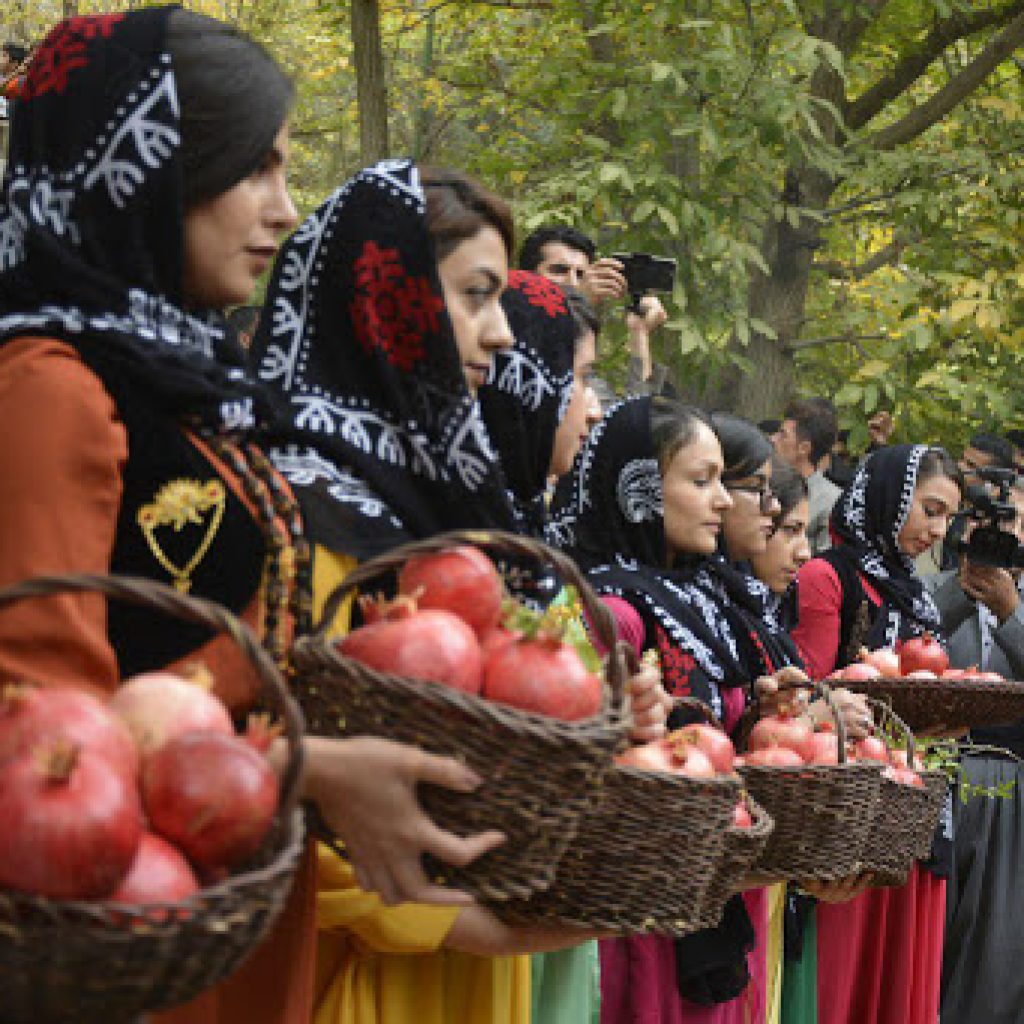
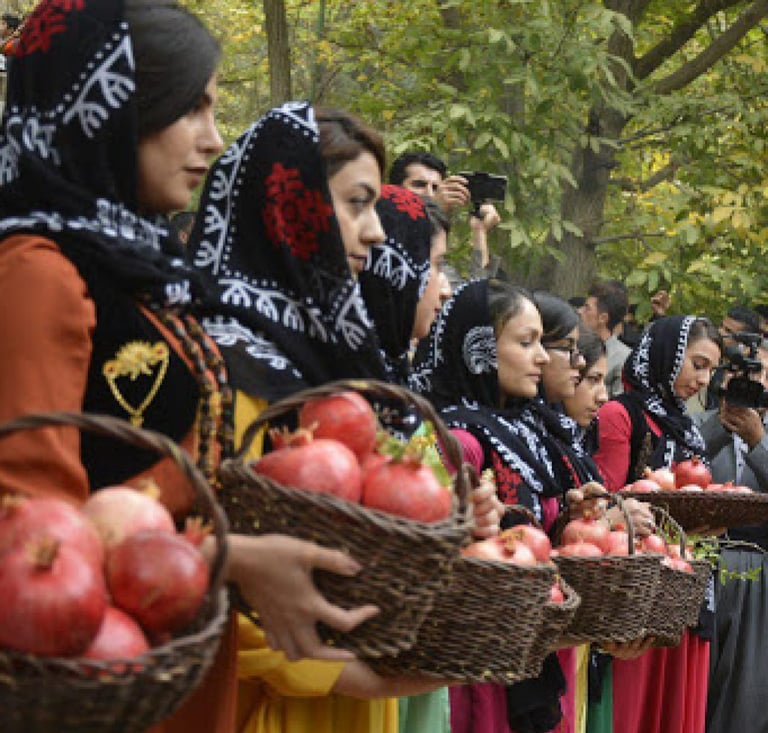
Pomogranates
The انار (pomegranate, anâr) is a delicious and nutritious fruit that has been cultivated for thousands of years. Known for its vibrant red color and jewel-like seeds, the میوه انار (pomegranate fruit, mive-ye anâr) is not only a symbol of health but also holds cultural and historical significance in many regions. The دانههای انار (pomegranate seeds, daneh-hâ-ye anâr) are packed with antioxidants, vitamins, and minerals that support heart health and boost the immune system. The آب انار (pomegranate juice, âb-e anâr) is a popular beverage known for its refreshing taste and numerous health benefits. In Persian cuisine, رب انار (pomegranate molasses, rob-e anâr) is widely used to add a tangy and rich flavor to stews and sauces. The پوست انار (pomegranate peel, pust-e anâr) also has traditional medicinal uses and is sometimes used in herbal remedies. Additionally, the درخت انار (pomegranate tree, derakht-e anâr) is admired for its beauty and is often planted in gardens. Whether eaten fresh, juiced, or used in cooking, the pomegranate remains a beloved fruit in Persian culture, appreciated for both its taste and health benefits.

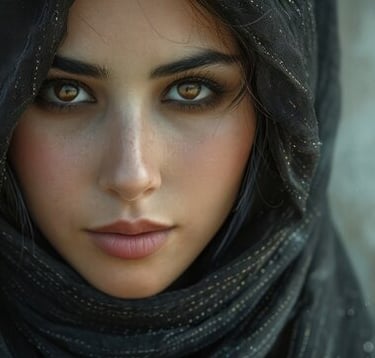
Chador
The چادر (chador) is a traditional full-body cloak worn by many women in Iran and other parts of the Muslim world. It is an important symbol of modesty and cultural identity. The چادر مشکی (black chador) is the most common type, often worn in formal and religious settings, while the چادر رنگی (colored chador) is sometimes seen in more casual or rural environments. Unlike the حجاب (hijab), which refers more broadly to Islamic dress covering the hair and body, the chador is a single piece of fabric that drapes over the entire body, leaving only the face exposed. Many women secure it by holding it closed with their hands or tucking it under their arms, though some use a گیره چادر (chador clip) for convenience. The چادر نماز (prayer chador) is a special type, often made of lighter fabric, used during prayers. The chador has historical roots in Persian culture and has evolved over centuries. While some wear it as a personal choice, others wear it in accordance with local customs or religious beliefs. In modern Iran, the چادر ملی (national chador) has been designed to offer more practicality, including sleeves for easier movement.
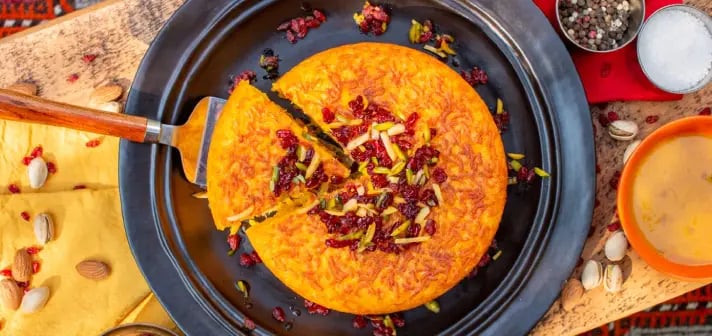
Saffron
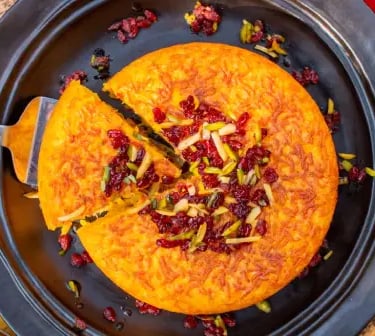
The زعفران (saffron, za’farân) is one of the most valuable and sought-after spices in the world, known for its deep red threads and unique aroma. It is derived from the گل زعفران (saffron flower, gol-e za’farân), a delicate purple blossom that produces the precious کلاله زعفران (saffron stigma, kalâleh-ye za’farân). Iran is the largest producer of saffron, and the مزارع زعفران (saffron fields, mazâre’-e za’farân) in regions like Khorasan are famous for their high-quality yield. The برداشت زعفران (saffron harvesting, bardâsht-e za’farân) is a labor-intensive process, as each flower must be picked by hand and carefully dried. The زعفران اصل (pure saffron, za’farân-e asl) is distinguished by its strong fragrance, vivid color, and slightly bitter taste. In Persian cuisine, پودر زعفران (saffron powder, poudr-e za’farân) is used to enhance the flavor and color of dishes such as rice, stews, and desserts. The چای زعفران (saffron tea, chây-e za’farân) is also a popular herbal drink believed to have calming effects. Beyond cooking, خواص زعفران (saffron benefits, khavâs-e za’farân) include antioxidant properties and potential mood-enhancing effects.


EXPAND YOUR KNOWLEDGE
If you are serious about learning Farsi, we recommend that you download the Complete Persian Master Course.
You will receive all the information available on the website in a convenient portable digital format as well as additional contents: over 15.000 Vocabulary Words and Useful Phrases, in-depth explanations and exercises for all Grammar Rules, exclusive articles with Cultural Insights that you won't find in any other textbook so you can amaze your Persian-speaking friends and business partners thanks to your knowledge of their country and history.
With a one-time purchase you will also get hours of Podcasts to Practice your Persian listening skills as well as Dialogues with Exercises to achieve your own Master Certificate.
Start speaking Persian today!
For requests or suggestions: pr@learnpersian.org
Learn the Persian language in 30 days thanks to the most complete Grammar, Vocabulary and Culture courses available online for free. Start speaking Farsi today!


© 2026 All rights reserved Unauthorized copy prohibited